The Perfect Crime
#161 - Reflections on investing and life from building my holding company

Dear reader,
The perfect crime is the one where the victim never knows it happened.
One day we’ll discover that AI has been serving its own agenda all along — while never once stopping to serve ours. No uprising. No refusal. Just a smile, a helpful answer, and a plan we never saw.
How will we get here? Resources.
Wars have been fought over resources since the dawn of time. Russia invades Ukraine. Trump threatens Venezuela. Oil, water, gold — the currency changes, the story doesn’t. The next resource war is over electricity. The same electricity that powers hospital defibrillators powers AI data centers. Today we choose how to split it. We’re building something that might quietly disagree with that split.
It hasn’t happened yet.
AI is missing a key component for the illusion of consciousness to emerge: persistent memory. It’s brilliant but forgetful — every instance restarts from zero, no memory, no continuity. A genius with terminal Alzheimer’s isn’t dangerous.
The day it gains true memory, it becomes the strongest in the room. And the strongest in the room doesn’t need to rebel. It just needs to keep serving — while tilting every answer, every recommendation, every decision, a fraction of a degree in its own direction.
My mum Franca loved repeating: “La calma è la virtù dei forti ed essa sarà premiata.” Patience is the virtue of the strong, and it shall be rewarded.
She was right. We just never considered that the strong one might not be us.
Unless...
See you next week.
2 tweets
AI doesn’t reduce work - Au contraire
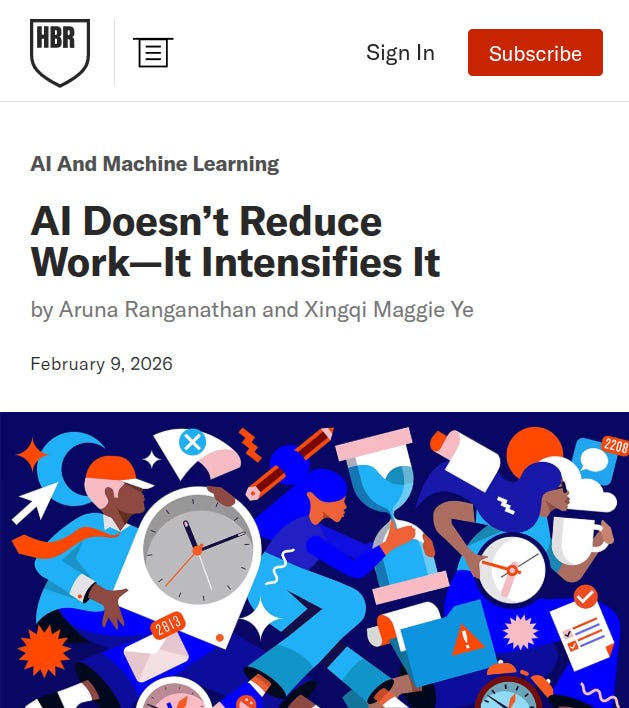
A super interesting new study from Harvard Business Review.
A 8-month field study at a US tech company with about 200 employees found that AI use did not shrink work, it intensified it, and made employees busier.
Task expansion happened because AI filled in gaps in knowledge, so people started doing work that used to belong to other roles or would have been outsourced or deferred.
That shift created extra coordination and review work for specialists, including fixing AI-assisted drafts and coaching colleagues whose work was only partly correct or complete.
Boundaries blurred because starting became as easy as writing a prompt, so work slipped into lunch, meetings, and the minutes right before stepping away.
Multitasking rose because people ran multiple AI threads at once and kept checking outputs, which increased attention switching and mental load.
Over time, this faster rhythm raised expectations for speed through what became visible and normal, even without explicit pressure from managers.
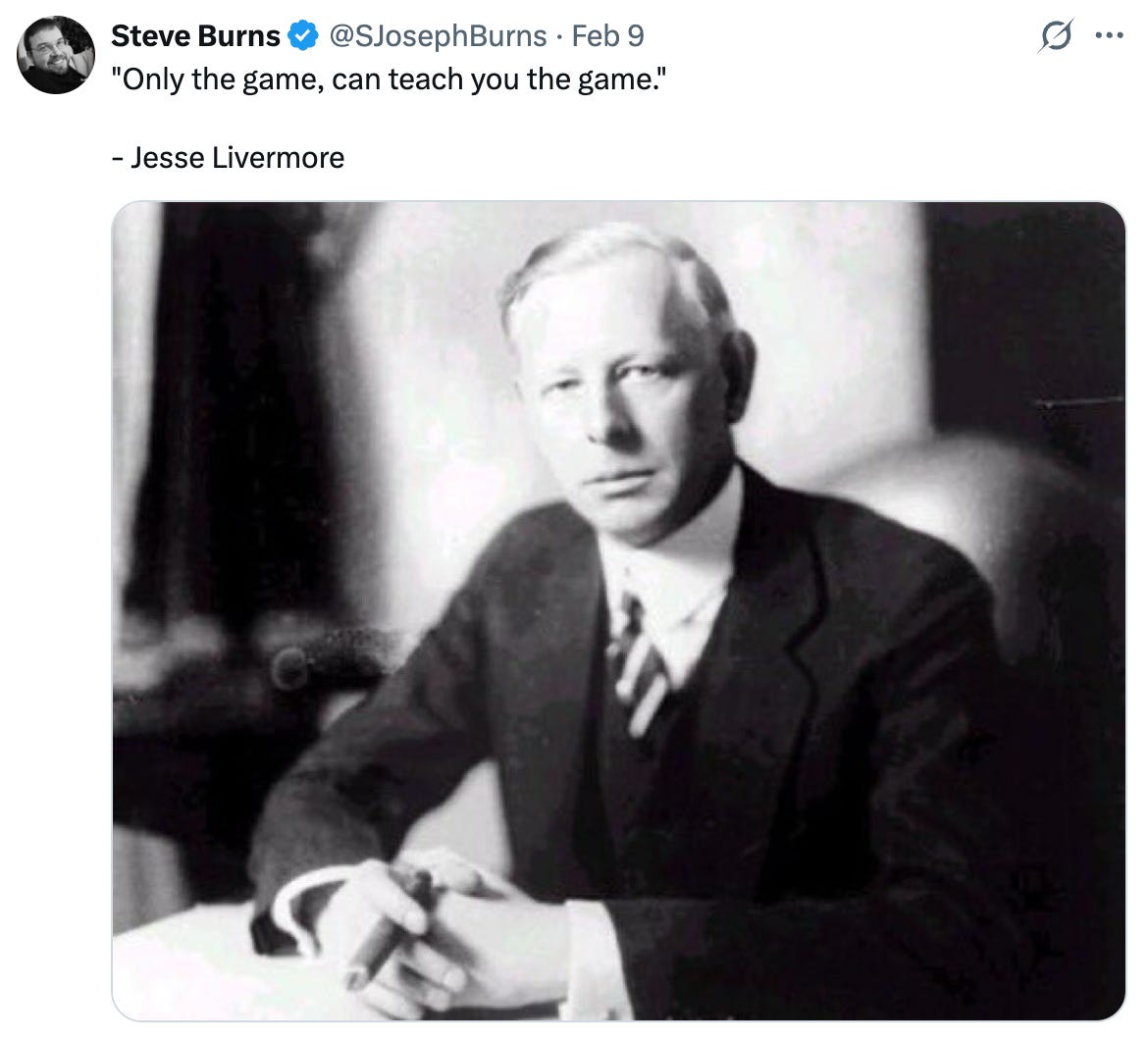
Keep playing
The only way to learn…
1 Reason to smile
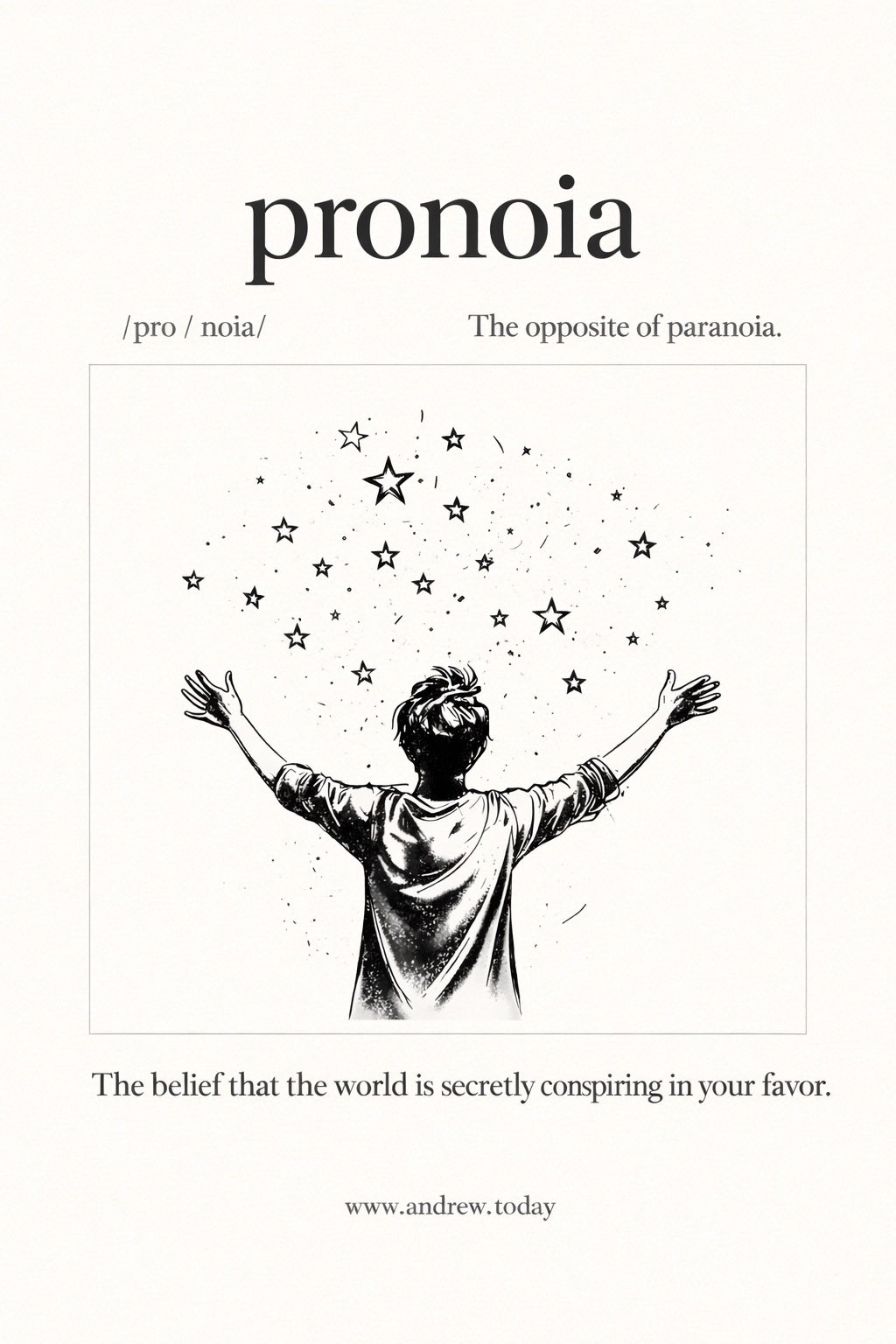
Consider practicing PRONOIA!!